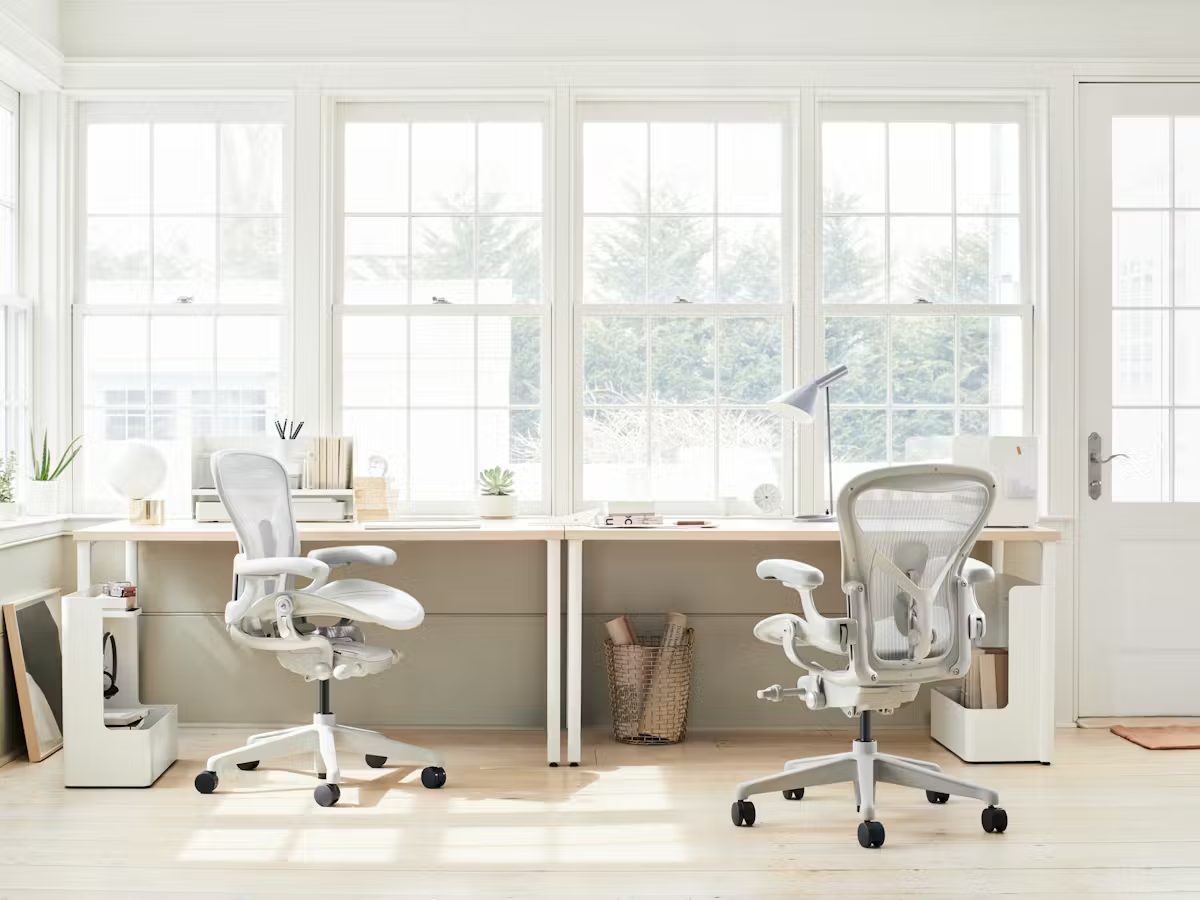

Featured Image Placement (Top of Article)
Recommended Image: A premium ergonomic office chair positioned within a modern executive workspace featuring a clean desk setup, natural lighting, and a productivity-focused office environment.
Recommended Alt Text: “Premium ergonomic office chair designed for productivity, posture support, and long-term comfort”
The idea of spending more than $1,000 on an ergonomic desk chair often creates immediate hesitation for many buyers. At first glance, the price can feel excessive, especially when lower-cost office chairs appear to offer similar features and comfort.
However, the modern workplace has changed dramatically. In 2026, remote work, hybrid workspaces, gaming, and digital productivity have transformed the desk into a central part of daily life. Professionals are now spending extended hours sitting for meetings, creative work, collaboration, and focused productivity sessions. As a result, ergonomic seating is no longer viewed simply as office furniture. It has become an important part of long-term workspace performance and physical well-being.
This shift has changed how consumers evaluate premium ergonomic office chairs. Instead of focusing only on the upfront price, many professionals are beginning to consider long-term durability, posture support, comfort, and productivity value over time.
For individuals searching for high-quality ergonomic office chairs, the conversation is increasingly about long-term investment rather than short-term cost alone.
Why Premium Ergonomic Chairs Cost More
The price of a premium ergonomic chair is largely driven by engineering, ergonomic research, material quality, and long-term durability.
Unlike standard office seating, high-end ergonomic chairs are specifically designed to support prolonged sitting while promoting healthy posture and movement throughout the workday. Manufacturers invest heavily in ergonomic development to create seating systems that adapt naturally to the body during extended periods of use.
Features commonly found in premium ergonomic office chairs include adaptive lumbar support, synchronized recline systems, posture-responsive backrests, adjustable seat depth, and precision armrest positioning. These systems are designed to improve sitting comfort while reducing physical strain during long work sessions.
Material quality also plays a major role in pricing. Premium chairs are often built with reinforced structural frames, commercial-grade components, breathable mesh technology, and high-density cushioning designed for years of consistent use.
According to the Occupational Safety and Health Administration (OSHA) ergonomics guide, proper ergonomic support can help reduce workplace strain associated with prolonged sitting and repetitive posture-related stress.
For professionals who spend six to ten hours or more sitting daily, ergonomic seating becomes an important part of maintaining comfort and productivity over time.
Image Placement #2
Recommended Image: A close-up view of a premium ergonomic office chair highlighting lumbar support controls, recline mechanisms, adjustable armrests, and mesh back support.
Recommended Alt Text: “Advanced ergonomic office chair with posture-focused lumbar support and adjustability”
The Hidden Cost of Cheap Office Chairs
Lower-cost office chairs may appear more affordable initially, but the long-term ownership experience often tells a different story.
Many inexpensive office chairs are manufactured with limited ergonomic support and lower-grade materials. Over time, cushioning begins to compress, support systems weaken, and adjustment mechanisms lose effectiveness. As this happens, users often experience posture fatigue, discomfort, and reduced sitting endurance during extended work sessions.
Poor seating can also affect concentration and workflow consistency. Physical discomfort frequently becomes a distraction that interrupts focus throughout the day. Lower back strain, shoulder tension, and neck fatigue are common problems associated with prolonged use of poorly designed office chairs.
Another important factor is replacement frequency. Many low-cost office chairs only remain structurally reliable for a few years before requiring replacement. While the upfront cost may appear lower, repeated purchases over time can significantly reduce any perceived savings.
Professionals upgrading their workspace often begin exploring premium office seating solutions after realizing that lower-cost seating frequently fails to provide long-term comfort and support.
The Mayo Clinic office ergonomics guide also emphasizes the importance of proper seating posture and ergonomic alignment during prolonged desk work.
The 10-Year Cost Comparison
When ergonomic seating is evaluated over a longer timeline, the financial comparison becomes much clearer.
A standard office chair priced around $200 may require replacement every two or three years due to declining comfort, weakened support, or material wear. Over a ten-year period, the total replacement cost can easily exceed $1,000 without providing consistent ergonomic performance.
By comparison, many premium ergonomic office chairs are designed to remain functional and supportive for ten years or longer. Although the initial investment may range from $1,200 to $1,800 or more, the chair often maintains its structural integrity, posture support, and sitting comfort throughout its lifespan.
In many cases, premium ergonomic chairs also include stronger warranties, better material quality, and longer-term reliability. Rather than repeatedly replacing deteriorating office furniture, users benefit from a consistent and stable seating experience across thousands of working hours.
This is one reason why professionals investing in modern workspace furniture solutions increasingly view ergonomic seating as a long-term productivity investment rather than a short-term purchase.
Image Placement #3
Recommended Image: A professional infographic comparing repeated low-cost office chair replacements versus a single premium ergonomic chair over a ten-year period.
Recommended Alt Text: “10-year cost comparison between standard office chairs and premium ergonomic seating”
Productivity and Ergonomic Performance
One of the strongest advantages of premium ergonomic seating is its impact on productivity and workplace performance.
Extended sitting places continuous stress on the body. Without proper support, discomfort gradually becomes a distraction that affects posture, concentration, energy levels, and overall workflow consistency throughout the day.
Ergonomic office chairs are designed to support natural spinal alignment while encouraging healthy seated movement. Adaptive lumbar systems, synchronized recline mechanisms, and posture-responsive support help reduce physical strain during prolonged sitting sessions.
For professionals working remotely or spending long hours at a desk, ergonomic seating can significantly improve daily comfort and sitting sustainability. This is particularly important for designers, programmers, executives, creators, hybrid workers, and digital professionals whose productivity depends heavily on maintaining focus during extended work periods.
Research published by Harvard Health Publishing continues to highlight the relationship between posture, physical comfort, and long-term workplace wellness.
As ergonomic awareness grows, more consumers are prioritizing high-quality premium desk chairs designed specifically for long-duration productivity and posture support.
Why Premium Ergonomic Chairs Last Longer
Durability remains one of the defining characteristics of premium ergonomic office chairs.
High-end seating systems are often subjected to extensive durability testing to ensure they maintain consistent performance under continuous use. Reinforced structural frames, commercial-grade materials, advanced mesh systems, and precision-engineered adjustment mechanisms all contribute to a longer product lifespan.
Many premium ergonomic chairs are originally designed for commercial office environments where daily usage is intensive and continuous. As a result, they often maintain ergonomic performance significantly longer than lower-cost office seating.
In addition to durability, many high-end ergonomic chairs retain stronger resale value because of their long-term reliability and reputation for quality. Unlike disposable office furniture, premium seating is often viewed as a lasting workspace investment.
Consumers searching for durable modern office furniture are increasingly prioritizing products designed for long-term ergonomic performance rather than short-term affordability.
Image Placement #4
Recommended Image: Premium ergonomic office chair positioned inside a modern executive office highlighting premium materials, clean workspace aesthetics, and long-term durability.
Recommended Alt Text: “Luxury ergonomic office chair designed for productivity and workspace performance”
Are Expensive Ergonomic Chairs Better for Your Back?
In many cases, premium ergonomic chairs provide better posture support because they are specifically engineered around spinal alignment and prolonged sitting comfort.
The best ergonomic office chairs help maintain the natural curve of the spine while distributing body weight more evenly during extended work sessions. Features such as adaptive lumbar support, posture-responsive back systems, and dynamic recline mechanisms contribute to healthier sitting posture over time.
However, ergonomic seating works best when combined with healthy workspace habits. Proper desk height, monitor positioning, regular movement, and posture awareness all contribute to long-term physical comfort.
The Cleveland Clinic posture guide explains that maintaining proper posture during prolonged sitting can help reduce physical strain associated with desk work.
For professionals spending substantial time seated each day, investing in high-quality ergonomic support can significantly improve the overall workspace experience.
The Future of Ergonomic Workspaces
The modern workspace continues evolving as professionals place greater importance on comfort, productivity, and long-term well-being.
Consumers are no longer evaluating office chairs based solely on appearance or short-term comfort. Instead, they are prioritizing ergonomic intelligence, durability, adjustability, posture support, and workspace integration.
This shift reflects a broader understanding that workplace design directly affects focus, productivity, and physical wellness. As hybrid work continues expanding globally, ergonomic seating is becoming one of the most important investments within modern office environments.
Today’s professionals are increasingly searching for ergonomic workspace design solutions that combine long-term comfort, modern aesthetics, and productivity-focused functionality.
Premium ergonomic office chairs are no longer viewed simply as luxury products. They are becoming essential tools that support how people work, think, and perform over time.
Image Placement #5
Recommended Image: Contemporary hybrid workspace featuring a premium ergonomic chair, modern desk setup, productivity accessories, and minimalist office styling.
Recommended Alt Text: “Modern ergonomic workspace designed for productivity and long-term comfort”
Final Verdict
For individuals who spend significant time working at a desk, a premium ergonomic office chair can absolutely justify its long-term cost.
Although the upfront investment may initially appear high, the long-term benefits often include improved durability, better posture support, enhanced comfort, reduced replacement frequency, and a more consistent sitting experience over time.
When evaluated across a ten-year period, many premium ergonomic office chairs become financially competitive with repeatedly replacing lower-cost seating options. More importantly, they contribute to a healthier, more productive, and more sustainable workspace environment.
In today’s digital workplace, ergonomic seating is no longer simply about luxury or aesthetics. It has become part of the infrastructure that supports modern productivity and long-term performance.
At Office Design, we believe workspace furniture should combine ergonomic intelligence, modern aesthetics, durability, and long-term comfort without compromise.
Explore premium ergonomic seating and workspace solutions at:
hermanmillerofficedesign.com
Frequently Asked Questions
Are expensive ergonomic chairs worth the investment?
Premium ergonomic chairs often provide better posture support, stronger durability, improved adjustability, and longer product lifespans compared to lower-cost office chairs.
How long do premium ergonomic office chairs last?
Many high-end ergonomic office chairs are designed to remain functional and supportive for ten years or longer with proper use.
Why are ergonomic office chairs so expensive?
The price reflects ergonomic engineering, premium materials, advanced adjustment systems, long-term durability testing, and posture-focused design.
What is the best ergonomic chair for long hours?
The best ergonomic office chairs typically include adaptive lumbar support, recline flexibility, posture-responsive systems, and adjustable seating controls designed for prolonged use.
Are cheap office chairs bad for posture?
Lower-quality office chairs often lack proper lumbar support and ergonomic adjustability, which may contribute to posture fatigue during extended sitting sessions.
Do ergonomic chairs improve productivity?
Proper ergonomic support can help reduce physical discomfort and posture fatigue, allowing users to maintain focus and workflow consistency more effectively.
Are ergonomic office chairs good for back pain?
High-quality ergonomic chairs can help improve posture support and reduce lower back strain by supporting natural spinal alignment during prolonged sitting.
How often should office chairs be replaced?
Lower-cost office chairs may require replacement every few years, while premium ergonomic chairs are often designed for a decade or more of continuous use.
What features should I look for in an ergonomic office chair?
Important ergonomic features include lumbar support, recline adjustment, seat-depth positioning, breathable materials, and posture-responsive support systems.
Are premium office chairs better for remote work?
For remote professionals who spend extended hours sitting each day, premium ergonomic chairs often provide better long-term comfort and productivity support.